Introduction
A loud disturbance broke out close to Pennsylvania Avenue when someone carrying a weapon approached a guarded zone. Officers from the U.S. Secret Service reacted quickly after spotting the individual advancing toward restricted grounds. Video clips spread fast across digital platforms following claims of shots fired near secure government territory. Protection details stationed at the presidential residence moved to intercept before any harm could happen.
A figure moved toward a barrier close to government land, carrying a gun. In response, law enforcement arrived – shots were fired between them. Taken to medical care afterward, the individual did not survive. Later at the hospital, they passed away.
A person nearby got hurt when it happened. Questions remain about where the bullet came from, so those in charge are taking a closer look at what went wrong.
A sudden stillness took over the streets near the White House as officers moved in, then cleared the area step by step. Afterward, clips began spreading online, suddenly appearing on phones everywhere, sparking countless conversations.
Where the Incident Happened
A sudden disturbance broke out close to where guards watch the route leading toward the presidential grounds in the nation’s capital. This area uses monitored gates that regulate who can enter buildings run by national officials.
Stationed at these points, officers keep watch on traffic while ready to act if danger appears.
A figure came near the gate with something slung over one shoulder. Moving forward, they drew closer to where the guards stood watch.
Out of the bag came a gun. When things turned loud, bullets left the barrel one after another.
Access here falls under tight limits, guarded by checkpoints along with surveillance gear watching every move. Entry only happens through set paths where eyes and sensors never blink.
Sequence of Events
From what police first shared, here comes the order things happened
A Person Reaches a White House Checkpoint
Forward they stepped, closing in on the officers
A weapon got pulled from its case. Out came a gun, cold and heavy in hand
Bullets flew in the direction of law enforcement personnel
Officers returned fire
The person was shot
Emergency teams arrived
A man ended up at the hospital yet passed away shortly after arrival. Death came quickly despite medical efforts beginning right upon entry. Staff tried everything though results stayed unchanged in the end
Someone watching got hurt when things went wrong
Right now, this part is being checked again. Footage from cameras, along with what people saw, plus items found at the scene help piece together when things happened and how they unfolded.
Immediate Response
When shots rang out, agents moved fast under protocol. Help arrived nearby soon after.
For a time, the entire White House grounds were sealed off. Access in or out came to a halt.
Inside the White House, staff entered secure areas quickly. Nearby streets shut down without delay.
From the start, law enforcement took positions around the edge to manage who could enter while keeping things safe nearby.
Still inside, waiting – only when police said it was over did they open the doors. The quiet stretch before that moment held everyone motionless.
Agencies Involved
Several agencies responded to the incident:
United States Secret Service
Federal Bureau of Investigation
Bureau of Alcohol Tobacco Firearms and Explosives
Metropolitan Police Department
Out front, the Secret Service took charge right away. Following close behind, the FBI stepped into the probe. Ballistics tracking kicked off under ATF oversight. Holding the edges, local officers managed crowd boundaries.
How the incident spread online
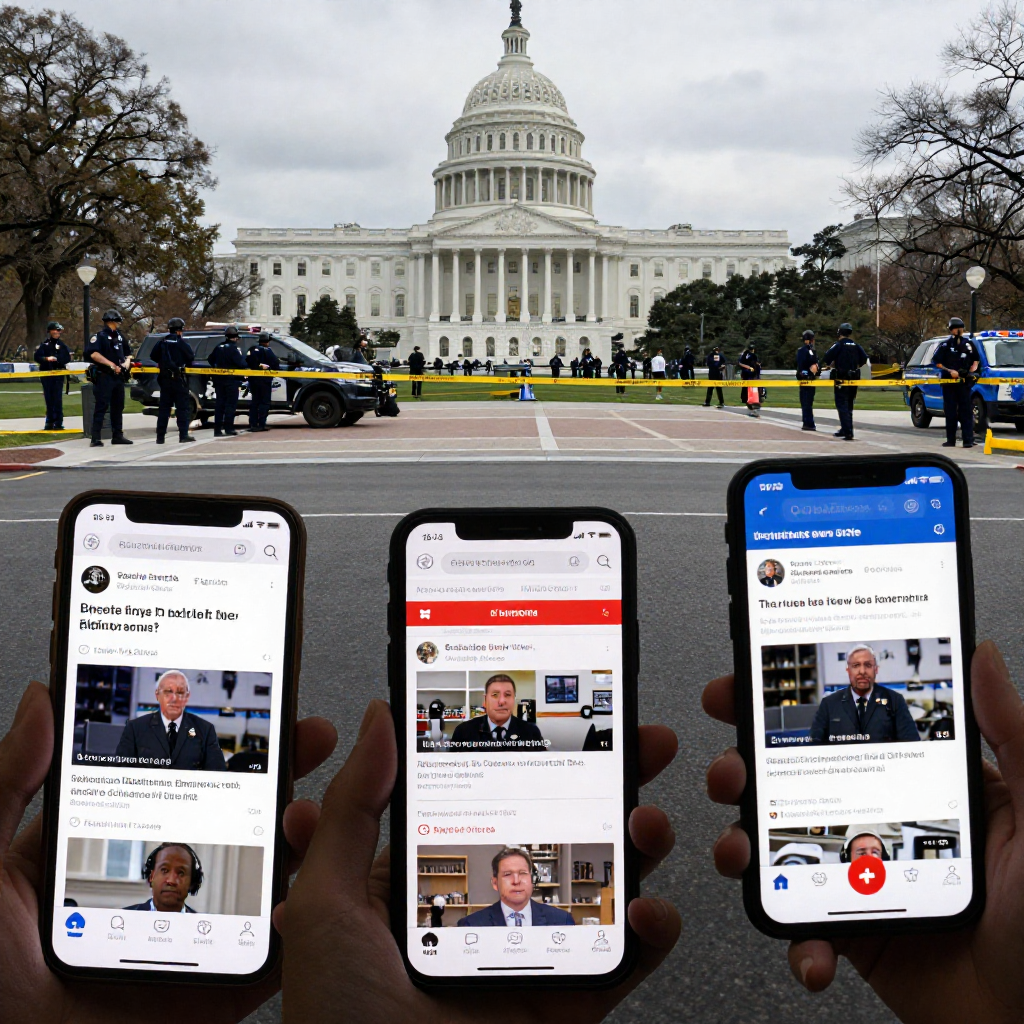
Later came waves of chatter online following early mentions. Spreading fast, the event popped up on feeds through quick video snippets alongside firsthand accounts posted by people close to the presidential residence. Updates moved from screen to screen without pause.
Out of nowhere, “White House lockdown” started showing up everywhere online. People took to posting concerns – how safe are we, what do authorities actually do, how do we stay informed when things unfold live.
From time to time, a post would carry an update straight from police sources. Meanwhile, others passed along what showed up on TV screens – snapshots of breaking reports rolling in.
When extra people joined the conversation, attention grew – suddenly the event was seen by many more. A ripple started small, then spread without warning.
How Social Media Platforms Function
Social media platforms played a role in how information moved during the incident.
Out of nowhere, messages started showing up across sites like X, Facebook, Instagram, TikTok. Some people shared breaking headlines while slipping in their own thoughts. Then others joined, passing along what they saw with a remark tagged behind.
One group cared mostly about checking if details were true. Meanwhile, talk shifted toward how emergencies are handled, along with safeguards near government sites.
Security chatter around Washington popped up online just as mentions of the White House started trending. Around that stretch, talk about both topics moved through networks at once.
How Information Moved Through the Event
Reports of the event reached us through different channels
Law enforcement updates
News organizations
On-scene reports
Social media posts
Timing varies across these sources. Sometimes a post on social media shows up ahead of any official statement.
Each update brought fresh rounds of spreading details again. Information flowed once more when changes arrived.
How News Organizations Function
Fresh reports hit screens via TV, while websites carried them too.
Word got out through reporters when doors locked, alarms sounded, forces moved in. Coverage unfolded piece by piece – no single source had it all at once.
Later, those changes popped up online through posts that spread fast. Real facts started getting noticed more once people saw them there.
Fans of the show watched events unfold while officials shared updates through public messages.
Law Enforcement Communication
Officials spoke up while things unfolded. Words came out again once it was over.
A loud alarm sounded when agents moved fast through the gate. Officers already sealed every exit before dawn broke across the pavement.
The FBI provided updates related to investigation activity.
Out on the platforms, those messages showed up where people could see them easily. Spreading word by way of verified profiles made sure folks weren’t left out.
White House security setup
Inside the White House, safety unfolds through multiple levels. At each stage, access points appear alongside watchful monitoring, while restricted areas shape movement. One step leads to another – cameras track motion where barriers define paths.
From their posts, guards keep watch on activity near the edge of the site, stepping in when someone enters without permission or carries a weapon. Patrols move through the outer zones, reacting if threats appear at boundaries meant to stay secure. Eyes scan the surroundings constantly, ready to act should trespassers show up or armed individuals approach restricted areas.
A loud shot rang out close to the checkpoint. That triggered the system without delay. It came online because of the firing nearby.
Public Reaction Online
Some folks online questioned how safe people really were once things started going wrong. Others shifted focus toward whether help arrived fast enough when the situation unfolded. A few brought up how messages moved – or didn’t move – between teams mid-crisis.
Fast news spread caught attention for some people. Meanwhile, police handling of who could enter became a talking point for others.
Some posts brought up earlier events close to government sites in Washington, D.C., drawing lines between them. Others looked at how those situations unfolded compared to what happened recently. A few pointed out similarities in location, though details differed each time. Not every example matched perfectly, still they were mentioned often. The talk kept circling back to patterns around federal spots in the city.
Continued Online Discussion
Once restrictions lifted, people kept talking online. Some posted news on how far the inquiry had come, while others noted the danger had passed. Updates spread through comments, though nothing urgent came up. The conversation drifted but never fully faded.
Still, a few messages stuck close to what officials said. Others pulled only from news coverage.
Later that day, posts spread fast online because it happened downtown plus agents showed up. People kept sharing clips since cameras caught everything near the government buildings.