Introduction
A sudden gunfire exchange unfolded close to a government safety post in the nation’s capital, sparking fresh questions about protection protocols at the presidential residence. Following the event, scrutiny turned toward how safeguards around the executive mansion are managed day to day. An individual carrying a weapon clashed with agents from the federal body tasked with guarding top officials just outside the secured boundary line.
A figure carrying a weapon moved toward a roadblock, then opened fire. In response, police returned shots. Afterward, the individual was rushed to a medical center but did not survive. Death followed shortly after arrival.
A person nearby got hurt when it happened. Looking into where the bullet came from is now part of what officials are checking, along with exactly how that individual was wounded.
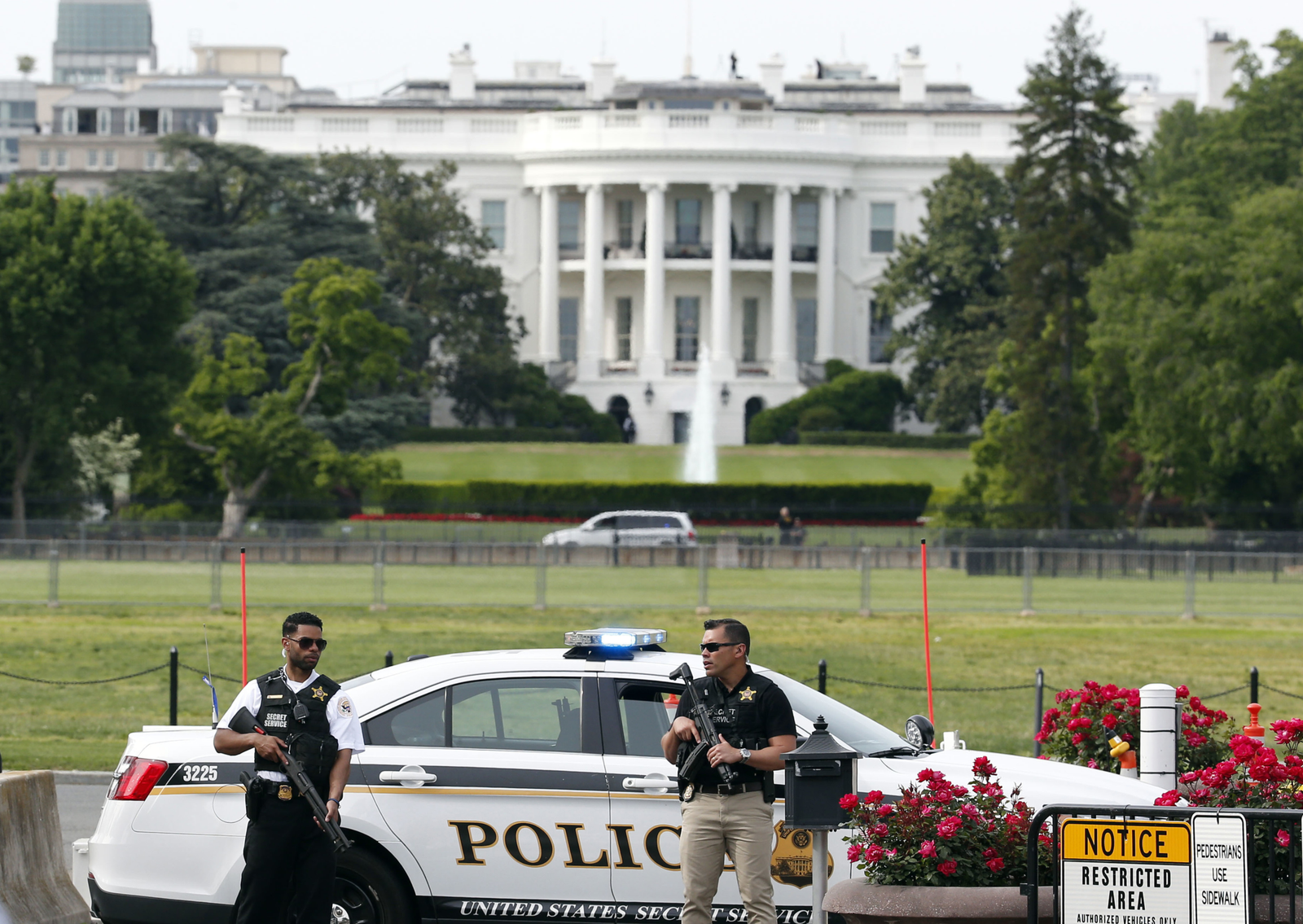
Security locked down the White House zone as teams moved in to control and stabilize the situation. Once things settled, officials started examining how checkpoints reacted, protocols held up, because gaps in agency coordination needed attention.
Where the Incident Happened
A sudden event unfolded close to a screening area by the White House in Washington, D.C. Though quiet at first glance, the zone operates under tight protocols meant to regulate who enters official grounds.
At each checkpoint, officers keep watch over activity while staying ready to act if danger appears. Some stand guard where people pass through, their eyes scanning for anything out of place. Movement draws attention when it feels wrong – then they step in. These posts exist so someone is always there when trouble shows up without warning.
A figure came into view near the checkpoint, holding a bag. Moving forward, they drew closer to the stationed officers.
A weapon came out of the bag. In the middle of it all, gunfire broke loose.
Fences surround the place, while cameras keep watch from above. Entry happens only at certain spots, each one monitored closely.
Sequence of Events
From what police first shared, here is how things went down: step by step they laid it out
A Person Reaches a White House Checkpoint
Forward they stepped, closing in on the officers
A weapon got pulled from its case
Flying bullets aimed at law enforcement
Officers returned fire
The person was shot
Emergency teams arrived
A hospital received the individual just before passing away. Death came shortly after arrival, without delay
A bystander was injured during the incident
Right now, this part’s being checked again. Footage from cameras helps piece things together, while those involved share what they saw. Details on the ground back up some claims, yet questions remain about exact moments. Each clue connects differently, depending on where it fits.
Immediate Response
When shots rang out, Secret Service agents moved fast. Help arrived quickly after that.
For a time, the entire White House grounds came under lock. Access in or out slowed to almost nothing.
Inside the White House, staff entered safe areas. Nearby streets shut down without warning.
From the start, law enforcement took positions around the edge to manage who could enter while keeping things safe nearby.
Calm only returned once officers said they had everything under wraps.
Agencies Involved
Several agencies responded to the incident:
United States Secret Service
Federal Bureau of Investigation
Bureau of Alcohol Tobacco Firearms and Explosives
Metropolitan Police Department
Out front, the Secret Service took charge right away. Following close behind, the FBI stepped into the probe. Ballistics tracking kicked off under ATF oversight. Holding the edges, local officers managed crowd boundaries.
Secret Service Involvement During the Event
Inside Washington, a quiet team watches over the president’s home. Their job covers more than just the famous building – edges of government zones fall under their eye too.
Something shifted at the checkpoint when movement toward the secured zone caught attention. A weapon appeared in hand as the individual pressed forward. Alert personnel spotted the danger just before everything could go wrong.
A burst of gunfire came from the officers. As shots rang out, the man took a bullet – his breath stopped inside the ER hours after.
Right away, agents locked down the zone following the event while holding firm on access points. Still, movement near the site stayed restricted through their ongoing presence.
Out of sight, tools helped gather proof while updates got filed. Later came the paper trail, guided by quiet efforts behind the scenes.
FBI Involvement in the Inquiry
FBI agents stepped into the case once things unfolded. When dangers appear close to official buildings, that falls under their watch.
Checking video feeds, FBI groups go through shots from nearby spots. Footage comes from around the checkpoint – also side roads where things might show up. Cameras there caught movement worth another look.
From those on scene, agents gather accounts – officers first, then others who saw what happened. Each retelling shapes the picture slowly, piece by separate piece.
Finding out what happened starts with when they left. Before reaching the spot, agents trace each step leading up. At the barrier, attention turns to who did what. Right after shots were fired, every move gets examined closely.
Communication records among response teams are now under examination by the agency. Though details remain sparse, each message transfer gets checked. Not every timestamp has been accounted for so far. Since coordination matters during incidents, gaps could reveal patterns. Only after cross-referencing all entries will conclusions emerge.
Atf Involvement in the Probe
Apart from local agents, federal investigators are helping track where guns came from. Firearm records are being reviewed alongside ATF specialists who work with ballistics data. Tracing tools usually take days unless serial numbers got wiped. Some leads come from purchase logs stored in national databases. Without exact models or manufacturing marks, matching weapons slows down. Still, each recovered gun gives clues when linked properly.
Besides checking the firearm itself, ATF units trace where it came from. Serial numbers get verified as part of that process too.
A closer look begins at how the gun changed hands. Questions rise about past entries tied to it in police systems.
Firing traces help track where the gun came from, while also showing how it moved through different hands. The lab work adds weight to the larger case without needing extra proof.
White House Security Setup
Inside the White House, safety measures stack one after another. Checkpoints appear at key points, while cameras watch quietly from corners. Metal fences stand firm around edges, separating close areas from far ones. Entry limits shape how deep someone can go.
Fences surround the area, watched constantly by guards who track every shift nearby. Entry points serve as barriers where personnel manage passage, staying ready when danger shows up.
Bullets had already cracked near the gate when the mechanism kicked in. Suddenly, the response started once shots rang through the air. Right then, operation began following the burst of fire. Moments later, activation followed the sound of weapons at the barrier.
Federal grounds see tighter oversight when weapons are part of an incident. Handling such events follows a setup built for quick response. Zones under restriction stay locked down through coordinated steps. Procedures kick in once threats appear nearby. Safety hinges on how fast teams move. Protocols unfold based on location and risk level. Movement in these areas slows during alerts. Authorities rely on preset actions to reduce danger.
Security Measures Review
Later came questions about safety routines near the gates where it happened. Officials started checking how guards watch who comes and goes.
The review includes:
Movement detection at perimeter points
Response time at the checkpoint
Communication between officers and command units
Coordination between agencies during the incident
Access control procedures at entry points
What happens during the review gets written down – showing reactions from the system plus spots that might need tweaks. A clear look at performance shows what holds steady, what shifts when pressure comes. Details emerge slowly, revealing patterns not obvious at first glance. Each observation ties back to real behavior, not guesses or assumptions. Where things stumble, notes point toward fixes without rushing to conclusions.
Checkpoint Procedures
Entering secure zones means going through checks meant to spot risks. Behavior draws attention from staff who watch closely during inspections. Threats trigger reactions shaped by training and situation demands.
Something stirred near the checkpoint. Officers noticed it moving closer. A shot had been fired moments before. Their response followed right after that sound. Movement caught their attention first.
Should things go sideways, nearby teams get a heads-up fast. Lockdown steps kick in only if the situation demands it.
Security procedures like these form routine parts of federal protocols. Each measure follows established guidelines across government agencies.
Suspect Information
A young man, 21 years old, stands as the person of interest. His history includes past encounters with police forces.
Earlier run-ins at secure state sites show up in the files. Each time, authorities moved in and held the person.
Looking back at past actions and files is part of what the team checks now. So far, there’s no clear reason tied to the event.
Bystander Injury Review
A shot rang out, catching someone standing close to the barrier. That individual took harm while bullets flew between sides.
A single gunshot’s origin remains unverified by authorities. Yet footage and bullet data sit under close examination by the investigative team.
An ambulance arrived after the fall. Doctors took charge, though little else is known.
Still looking into this piece of the case.
Evidence Collection
Later, the site was locked down by those looking into what happened. From around the spot, workers gathered objects that might help explain things.
Copies of what security cams caught got looked at. Officers talked about it. People who saw things shared too.
A weapon found at the scene got shipped off for testing. Evidence experts took possession to examine it further.
Federal agencies handle every piece of gathered information. Processing happens continuously across departments nationwide.
Public Safety Status
For now, the situation near the White House has calmed. When the lockout finished, things started moving again.
Finding answers is still underway while teams go through what they’ve collected. Evidence gets another look each day that passes.