Introduction
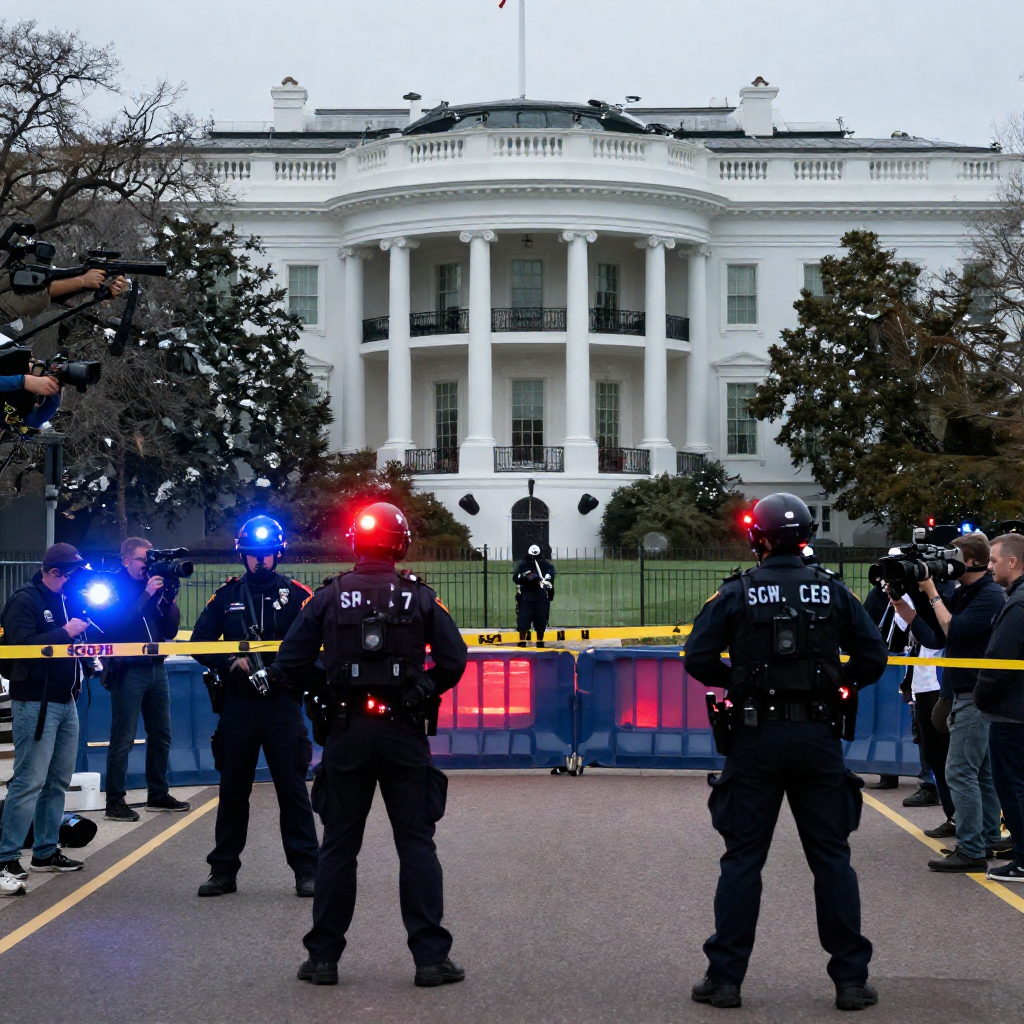
A sudden gunfire exchange unfolded close to a guarded entrance of the presidential residence in the nation’s capital, quickly drawing widespread attention. That clash included law enforcement agents sworn to defend the executive mansion and someone carrying a weapon. Moments like these shift everything – quiet streets turn tense, routine patrols grow alert. What started as an ordinary stretch of pavement now marked by shell casings and questions.
A figure carrying a weapon moved toward a barrier close to government land, firing shots. In response, law enforcement opened fire back at the scene. Afterward, medical teams transported the individual to a health facility where they passed away.
A person nearby got hurt when things went wrong. Questions remain about where the shots were aimed, so authorities are looking closely at what happened.
A sudden stillness settled over the White House grounds as officers moved in, taking control step by step. One moment it was routine, then everything shifted – barriers went up, movement stopped. Right now, people inside wait for answers while teams piece together what happened. Each detail gets checked, every angle reviewed.
Where the Incident Happened
A sudden event unfolded close to a screening point by the White House in Washington, D.C. Entry here relies on tight oversight before allowing anyone onto federal land.
Stationed at these points, officers keep watch over traffic while ready to act if dangers arise.
A figure came near the checkpoint, holding a bag. Moving forward, they drew closer to the officers stationed there.
Out of the bag came a gun. Midst the clash, bullets flew.
Fences mark the edge where only certain people can enter, while cameras watch every move. Entry needs permission because rules keep things tight around here.
Sequence of Events
From what police first shared, here is how things went down. The steps appear in this order, according to initial reports. What happened unfolds like this, taken from early details. This version comes straight from the beginning of the investigation. One event followed another, as outlined by those first updates
A Person Reaches a White House Checkpoint
The person moved toward officers
Out came a gun
Bullets flew in the direction of law enforcement personnel
Officers returned fire
The person was shot
Emergency teams arrived
A hospital visit followed the incident, yet life slipped away. Though care arrived quickly, survival wasn’t possible. Breathing stopped despite efforts nearby. Medical staff tried everything close at hand. The outcome turned out still and quiet
A bystander was injured during the incident
Right now, this part is being checked again. Footage from cameras helps piece things together alongside what people saw plus objects found at the scene. Each detail adds up slowly.
Immediate Response
When shots rang out, agents began their emergency actions. Additional teams moved in right after.
For a time, the entire White House grounds came under lock. Access in or out slowed to almost nothing.
Inside the White House, staff entered safe areas. Nearby streets shut down without warning.
From the start, law enforcement took positions around the edge to manage who entered while keeping the location safe. Each point along the boundary had someone watching closely, making sure nothing got through without approval.
Only after officers said they had everything under wraps did the hold-down lift. The scene stayed locked till police gave the clear signal.
Agencies Involved
Several agencies responded to the incident:
United States Secret Service
Federal Bureau of Investigation
Bureau of Alcohol Tobacco Firearms and Explosives
Metropolitan Police Department
Out front, the Secret Service took charge right away. Following close behind, the FBI stepped into the probe. Ballistics tracking kicked off under ATF oversight. Holding the edges, local officers managed crowd boundaries.
Law Enforcement Checks Sequence
Looking into what happened just before, while, and following the gunfire, police teams are going over each step. A close eye is on the timeline as officers piece together how things unfolded. Moments leading up, those in between, then afterward – all under examination now. Reviewing every phase comes down to understanding exactly when actions took place. With attention focused on timing, authorities trace movements around the incident itself.
Before reaching the checkpoint, the individual was walking slowly. At the point where screening happens, they paused briefly then raised their hands. Officers reacted quickly once the situation changed. Movement prior to arrival played a role in how events unfolded. Their behavior during inspection drew attention immediately. Response from law enforcement followed standard steps after that.
From the start, how officers spoke to one another is under review. Backup showed up when it did – now that moment gets a second look. One agency moved; then the next reacted – the flow between them matters just as much.
Pictures that move, captured on camera, along with spoken accounts given by those who saw something – these make up one piece of how things get looked at closely. A person talks about what they noticed, while footage rolls in the background, both fitting into the bigger way of checking what happened.
Secret Service Role
Inside Washington, guards watch over leaders plus keep the president’s home safe. A team moves quietly through checkpoints where power speaks in whispers.
Something shifted at the checkpoint when movement toward the secured zone caught attention. A weapon appeared in hand as the individual pressed forward. Alert personnel spotted the danger just before everything could go wrong.
A shot rang out from the officers when they reacted. Though hit in the gunfire, the individual made it to a medical center but did not survive the injuries sustained mid-confrontation.
Right away, agents locked down the zone following the event while holding tight to access points. Then came steady oversight without letting up near the site.
Out of sight but never idle, they helped gather proof while keeping records clear. Behind the scenes, paperwork moved just as fast as fieldwork did.
White House Security System
Inside the White House, safety measures stack one after another. Checkpoints appear at key points, then come physical barriers that block access. Surveillance cameras watch every angle, while certain areas stay off limits by design.
Along the edge, checkpoints pop up here and there to watch who comes and goes – stopping anyone without permission from getting through. Their presence breaks any attempt at slipping past unnoticed, quietly holding the line where boundaries matter most.
From up high, guards watch what happens near off-limits zones. When someone crosses into areas they should not enter, response follows without delay. Movement triggers attention if it breaks set boundaries.
Federal grounds see movement handled by this setup when situations unfold. Control stays in place because of how it operates when things shift nearby.
Right then, law enforcement stood by a roadblock during routine safety work. Officers happened to be there when things unfolded near the stop point that day.
FBI Investigation Role
FBI agents stepped into the case once things unfolded. When it comes to matters touching federal assets or workers, that kind of situation falls under their responsibility.
Footage, objects, clues – each piece passes through agents’ hands. What officers saw, what bystanders said, gets written down, studied. Cameras caught moments now paused on screens across desks. Every detail moves forward, slow but steady.
Now piecing things together, the FBI teams up with the Secret Service to map out what happened. Before reaching the checkpoint, movements are being tracked closely. Shots fired during the incident form one part of the picture. Aftermath responses help fill in gaps soon afterward.
Checking past police reports now, the FBI looks at who this person is. What happened before around secure spots matters too.
Suspect Information
A young man, 21 years old, stands as the person of interest. Previous encounters with police appear in official files.
Earlier run-ins at secure state sites show up in the files. Taken into custody each time, that individual faced immediate detention.
Looking back at past actions, officials check old files. Still unclear why it happened.
Bystander Injury Review
A bullet struck someone who happened to be standing close by. When shots rang out, they were just nearby the checkpoint.
So far, officials aren’t saying where the shot came from. Footage and bullet clues are now being studied by investigators.
An ambulance arrived after the accident. Doctors took charge at the scene.
Still looking into this piece of the probe.
Evidence Collection
Later, the site was locked down by those looking into what happened. From around the spot, workers gathered objects that might help explain things.
Footage from local cameras got another look. Officers plus those who saw it each shared what they knew.
A weapon tied to the event turned up later, then moved to a lab. Following that, agents began tracing where it came from and how it traveled.
Federal agencies handle every piece of gathered information. Processing continues without pause across departments.
Public Safety Status
For now, the White House zone is safe, officials said. Once the lockdown lifted, things started running again as usual.
Focusing on facts, the probe carries on while teams go through collected material.
Media Coverage and Story Reach
Out of nowhere, news spread fast when big media names started talking about it. Not just local stations – papers and networks worldwide picked it up too. What police said made its way into headlines pretty quick. Alongside that came fresh bits from government sources. The whole thing climbed the charts without warning.
From TV screens to online feeds, news groups sent out fresh details as events unfolded. As things changed by the hour, reports spread fast across different channels.
Out front, the president’s residence sat right where news cameras could catch every move. Because agencies stepped in fast, stories spread far beyond the capital. Not just local eyes were watching – attention jumped state lines once federal teams arrived on scene.