Introduction
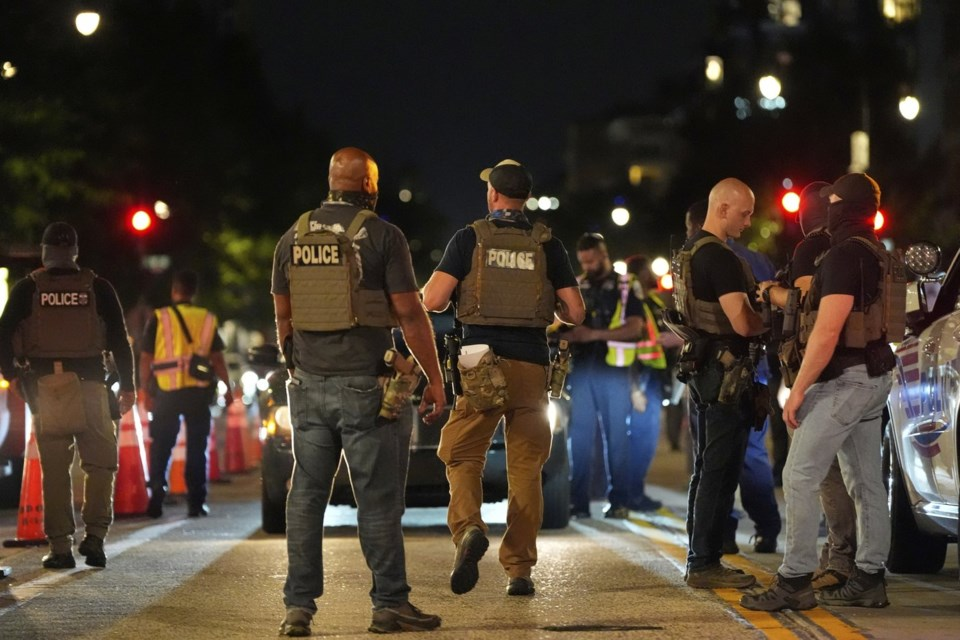
A sudden clash broke out close to a federal guard post in Washington, D.C., stirring concern over how safe the zone near the White House really is. This unfolded when Secret Service agents confronted someone carrying a weapon at a secured entry spot.
A figure carrying a weapon advanced on the checkpoint, then opened fire. In response, law enforcement returned shots. The individual ended up wounded, transported to medical care. Death followed sometime after arrival.
A person nearby got hurt when it happened. Looking into where the bullet came from, authorities are checking exactly how that injury took place.
A sudden stillness settled over the White House grounds as officers moved in, taking control step by step. One moment it was routine, then everything shifted when agents arrived to contain what had unfolded. Details are now being pieced together piece by piece. For now, answers wait behind closed doors.
Where the Incident Happened
A sudden event unfolded close to a screening point by the White House in Washington, D.C. That location operates within a secured entry network designed to regulate who enters federal land.
Stationed here, officers keep watch over traffic while ready to act if danger appears. A presence at each checkpoint means quick reactions when situations unfold nearby.
A figure came near the gate, a bag in hand when it happened. Toward the guards they walked, without stopping.
A weapon came out of the bag. In the middle of it all, gunfire broke loose.
Fences block most ways in, cameras watch every corner. Access opens only at checkpoints where guards check passes.
Sequence of Events
From what police first shared, here comes the order it went down like this:
A Person Reaches a White House Checkpoint
Forward they stepped, closing in on the officers
A firearm was taken out
Flying bullets aimed at law enforcement
Officers returned fire
The person was shot
Emergency teams arrived
A man arrived at the medical center by ambulance. He did not survive past that evening. Doctors confirmed his death hours later. The event took place during early morning light
A bystander was injured during the incident
Right now, this part is being checked again. Footage from cameras helps piece things together alongside what people saw plus items found at the scene. Each detail matters when matching moments to movements.
Immediate Response
Faster movement followed the first shots, agents moving under protocol. Help arrived nearby because of alerts triggered by early actions.
For a time, the entire White House grounds came under lock. Access in or out slowed to almost nothing.
Inside the White House, workers stepped into safe areas. Nearby streets shut down without warning.
From the start, personnel took positions around the edge to manage who entered while keeping things stable nearby.
Only after officers said they had everything under wraps did the hold-down lift. The scene stayed locked till police gave the clear signal.
Agencies Involved
Several agencies responded to the incident:
United States Secret Service
Federal Bureau of Investigation
Bureau of Alcohol Tobacco Firearms and Explosives
Metropolitan Police Department
Out front, the Secret Service took charge right away. Following close behind, the FBI stepped into the probe. Ballistics tracking kicked off under ATF oversight. Holding the edges, local officers managed crowd boundaries.
Nature of the Armed Attack
A review has started after someone opened fire close to a federal security post. Looking into how that individual got so far, what happened once they fired, also how guards reacted right afterward. The situation now draws attention from multiple investigative angles at once.
What stands out is how officers talk to one another. The moment help arrives matters just as much. How they move when shots are fired plays a big role too.
Footage from cameras joins accounts given by people who saw what happened during inquiries.
Secret Service Role
Inside the fence line, safety falls to agents who guard the president’s home. Nearby government zones stay under watch through constant patrols by trained teams.
From the start, movement near the restricted zone raised alarms. A weapon appeared as the individual pressed forward past controls. Officers spotted danger unfolding fast.
Bullets flew back at the officers’ position. From the gunfire, the suspect took hits – eventually passing away inside a medical center.
Right away, agents sealed off the zone following the event. Control stayed tight through their presence.
Later on, the team helped gather proof while sharing updates. Still, they kept track of findings alongside written summaries. At times, reports came together through careful note taking plus field checks. Often, details were logged once verified by staff members.
FBI Involvement in the Investigation
FBI agents stepped into the case soon after things unfolded. When dangers appear close to official buildings, that is their area to manage.
Footage from local cameras is being checked by FBI units. Near the checkpoint, devices capture activity – those recordings now under scrutiny. Streets around it? Their video feeds too are part of the look.
From those on scene, agents gather accounts – officers first, then others who saw what happened. People nearby share their version, each adding pieces without knowing the full picture. Statements come one after another, some brief, a few detailed, all noted just the same.
Inside the investigation, agents piece together moments leading up to the scene. Before reaching the spot, what happened begins to unfold slowly. At the checkpoint, each motion gets examined closely – no gesture too small. After shots rang out, reactions followed paths both expected and sudden. Time stamps stack one by one, forming a frame others might miss.
atf involvement in the investigation
Finding where guns come from is now being helped by a federal agency that tracks weapons. Firearm tracking efforts include support from officials who specialize in alcohol, tobacco, explosives too.
Firing pins whisper stories to forensic experts, each groove examined under bright lights. Because tracing begins long before paperwork shows up on a desk somewhere.
Finding out where the gun came from takes up part of their work now. Could be linked to older cases – they’re checking that too.
Finding where the gun came from helps move the investigation forward. How it traveled gets clearer when tracking begins. Following its path adds useful details slowly. The route it took matters just as much as who first owned it. Clues build once locations connect over time.
White House Security System
Hidden beneath its famous facade, the White House runs on multiple layers of protection. Moving inward, one passes through screening points before hitting monitored areas. Cameras watch every approach, feeding live images to secure rooms. Fences block paths that once seemed open. Access shrinks the closer you get, carved into tight sections where few may enter.
Fences surround the area, watched constantly by guards who track every shift nearby. Entry points serve as barriers where personnel manage passage, staying ready when danger shows up.
Firing broke out near the barrier, then the mechanism kicked in. Suddenly, sensors responded once shots were heard at the post.
When danger shows up close to government land, the setup kicks in to hold tight on locked-down areas. How it works depends on where threats appear, shifting quietly to block access before things spread.
Public Safety Questions
Later, people started asking more about safety in public areas. The talk shifted to ways someone carrying a weapon made it to a secure spot, also what happened once officials reacted.
Focus shifted toward how checkpoints were handled, when responses happened, along with how smoothly different groups worked together.
Was anyone standing nearby when shots were fired? The way harm happened came up too, tied to that moment of gunfire. People wanted to know what role onlookers played. Details about wounds emerged alongside talk of who saw it unfold.
Security Procedures Review
Following the event, a look at safety steps got underway. This check targets:
Checkpoint access control
Officer response time
Communication between units
Coordination during emergency response
Movement tracking near restricted areas
A look back follows most events involving government operations. This one fits that pattern.
Suspect Information
A young man, twenty-one years old, stands as the person of interest. His history includes past encounters with police forces.
Earlier run-ins at secure government spots show up in the files. Held by officers each time, the person involved didn’t stay free long after.
Looking back at past actions, examiners check old files. Still unclear why it happened.
Bystander Injury Review
A shot rang out, catching someone standing close to the barrier. That individual took a hit while caught between sides.
A single gunshot’s origin remains unverified by authorities. Yet footage and shell analysis sit at the center of review.
A doctor helped the hurt individual. So far, nothing more has come out about it.
Still looking into this piece of the probe.
Evidence Collection
Later, the site was locked down by those looking into what happened. From around the spot, workers gathered objects that might help explain things.
Footage from local cameras got checked. Officers plus bystanders gave their versions of events.
A weapon tied to the event turned up later, then moved to a lab for testing.
Federal agencies handle every piece of gathered information. Processing happens continuously across departments nationwide.
Public Safety Status
For now, the White House zone is quiet, officials said. When the lockdown lifted, things started moving again.
Finding still underway while teams go through what they’ve collected. Evidence review keeps moving forward across departments involved.