Introduction
Out of nowhere, posts started racing through online networks when a tense moment unfolded close to the presidential grounds in the capital. A person carrying a weapon met agents from a key protection force at a guard point just outside government land.
A figure carrying a weapon moved toward a barrier close to the White House edge, firing a gun. In response, law enforcement personnel returned shots. Following the clash, the individual received medical transport but did not survive.
A person nearby got hurt when it happened. Looking into where the bullet came from is something officials started doing after checking what led to the injury.
A sudden stillness settled over the White House grounds as officers moved in, taking control step by step. Word of what happened spread fast, carried along wires and screens long before official voices caught up.
Where the Incident Happened
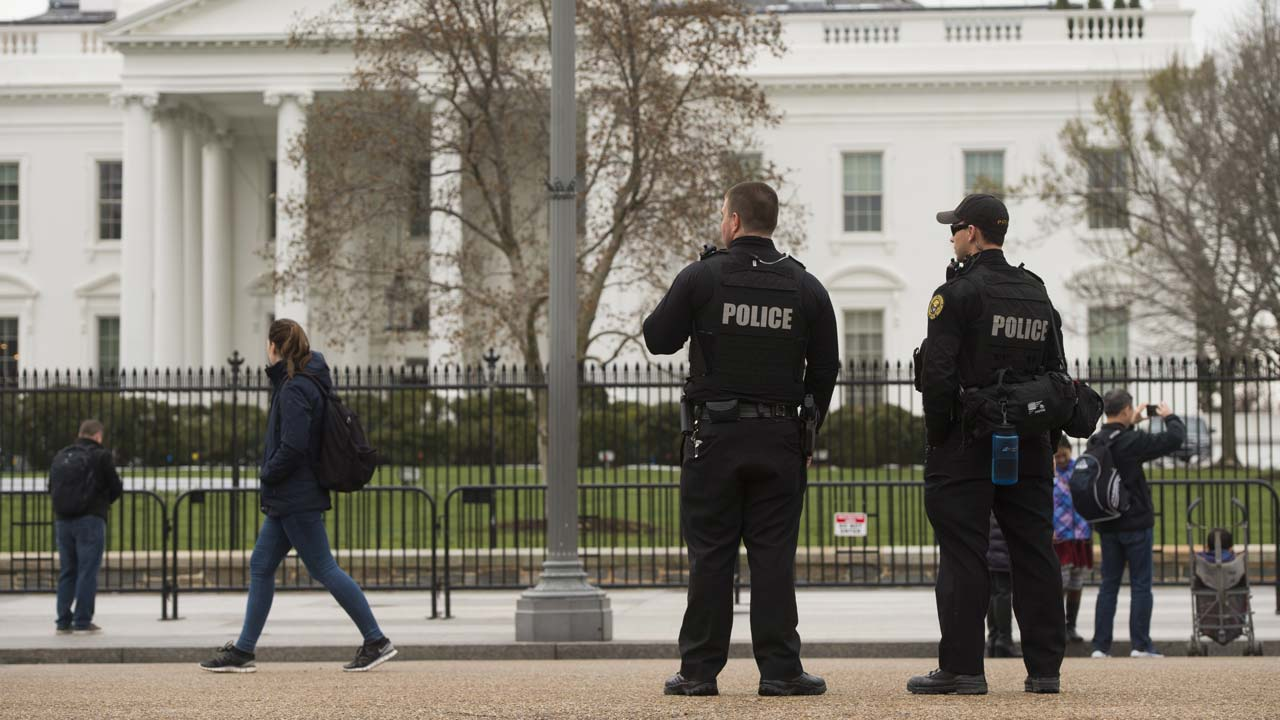
A sudden event unfolded close to a screening area by the White House in Washington, D.C. Though quiet at first glance, the zone operates under tight protocols meant to regulate who enters official grounds.
At each checkpoint, officers keep watch over activity while staying ready to act if danger appears. Movement is tracked by personnel posted there whenever risks might arise nearby.
A figure came near the gate, holding a sack. Moving forward, they drew closer to where the guards stood watch.
Bullets flew when someone grabbed a gun from the bag. The moment turned loud after that.
Access here falls under tight limits, entry only allowed at specific spots where cameras watch closely. Entry gates stay monitored, movement tracked through secured pathways without exception.
Sequence of Events
From what police first shared, here is how things went down: step by step they laid it out
A Person Reaches a White House Checkpoint
Forward they stepped, closing in on the officers
Out came a gun
Bullets flew in the direction of law enforcement personnel
Officers returned fire
The person was shot
Emergency teams arrived
A hospital visit followed the incident, then came news of death. That individual never made it out alive after arrival
A bystander was injured during the incident
Right now, this part is being checked again. Footage from cameras helps piece things together alongside what people saw plus items found at the scene. Each detail adds weight when matching moments to movements.
Immediate Security Response
When shots rang out, agents began their emergency actions. Additional teams moved in right after.
For a time, the entire White House grounds came under lock. Access in or out slowed to almost nothing during that stretch.
Inside the White House, staff entered safe areas. Nearby streets shut down without warning.
From the start, law enforcement took positions around the edges. One by one, they managed who could enter while keeping things locked down nearby.
Only after officers said they had everything under wraps did the hold-down lift. The scene stayed locked till police gave the clear signal.
Agencies Involved
Several agencies responded to the incident:
United States Secret Service
Federal Bureau of Investigation
Bureau of Alcohol Tobacco Firearms and Explosives
Metropolitan Police Department
Out front, the Secret Service took charge right away. Following close behind, the FBI stepped into the probe. Firearms tracking kicked off under ATF oversight. Holding the edges, local officers managed the surrounding zones.
Viral Spread of Security Updates
Later that day, news of how the White House handled things began circulating fast online. Updates popped up first on X, then spread without delay to Facebook. Some users shared short videos about it on TikTok. Others posted reactions through Instagram stories soon after.
News popped up in messages, TV clips snapped by people, updates typed out from reporters. One post would jump to another profile, then another, spreading piece by piece.
Curiosity grew around news of the Washington disturbance, shifting toward details on emergency procedures at the presidential residence. Security concerns crept into public queries after events unfolded near federal grounds. Information gaps filled slowly, with attention narrowing on protocols triggered during crises downtown. Questions about access restrictions appeared more often online as reports spread. Focus turned sharply to how safeguards operate when threats emerge close to power centers.
Faster spreading of news kept things moving, each fresh bit slipping out pushed another round forward.
Social Platforms Shape How Content Spreads
Updates on safety measures spread through online networks. Where people share links, news moved fast between users. Messages jumped from one app to another without slowing down. Some posts reached thousands in minutes flat. Information traveled where attention went – no gatekeepers needed.
Out of the blue, news groups sent out confirmed details using trusted profiles. After that came resharing – people passing them along across varied locations.
A few seconds of footage started popping up, usually pulling scenes from live reports or reactions tied to what was unfolding. Sometimes it came with voiceovers breaking down details others missed.
Confirmed updates appeared in certain posts. Meanwhile, guesses showed up elsewhere – official channels had to step in afterward.
How Information Moved Through the Event
Reports on the security reaction surfaced through multiple channels
Law enforcement statements
News organizations
On-scene reporting
Social media posts
Later updates came through one source, earlier ones another. Sometimes tweets showed up prior to any statement being released.
Updates, once verified or fixed, triggered multiple rounds of relaying details again.
Law Enforcement Communication
Updates came out from police forces while things unfolded, then later too.
A sudden alert triggered the agents into motion near the gate. Lockdown procedures followed soon after the initial signal came through.
FBI shared fresh details about probe progress along with how they’re checking the proof. Evidence scrutiny moved forward at the same time as fieldwork notes got refreshed. Behind-the-scenes checks continued without pause during the update window.
Out into the open they went, released by authorities before bouncing across social media.
Security Setup Near the White House
Fences wrap around the building, while sensors watch every approach. Guards check IDs at entry points before anyone moves further inside.
From time to time, guards watch who comes near the outer edges. When someone tries to get in without permission, they step in. If weapons show up, reaction follows fast. Movement triggers attention – always.
Firing nearby a checkpoint triggered the system’s activation that day. The response came moments after shots were heard. Activation followed the sound without delay. Moments unfolded quickly once the first round struck.
Public Online Reaction
More people started talking after news spread across the internet. Conversations popped up about risks around government sites along with reactions by officers on duty.
Besides reporting confirmed happenings, a few messages highlighted how quickly alerts were sent. While one type detailed timing during crises, another examined the flow of urgent updates.
That moment touched others just standing by, too. What spread afterward shifted how people saw it.
Continued Online Activity
Once restrictions lifted, conversations online didn’t stop. People kept posting new details on how far the probe had come – also mentioning warnings were false. The sense of danger faded, yet talk lingered like smoke after a fire gone cold.
Still, updates popped up through shared posts and verified announcements. Though scattered, they kept feeding the story forward.
Out here, the event kept showing up in digital chats because it unfolded at a sensitive site, yet authorities stepped in fast. Still, people wouldn’t let it fade from feeds or forums, tied as it was to national enforcement presence nearby.