Introduction
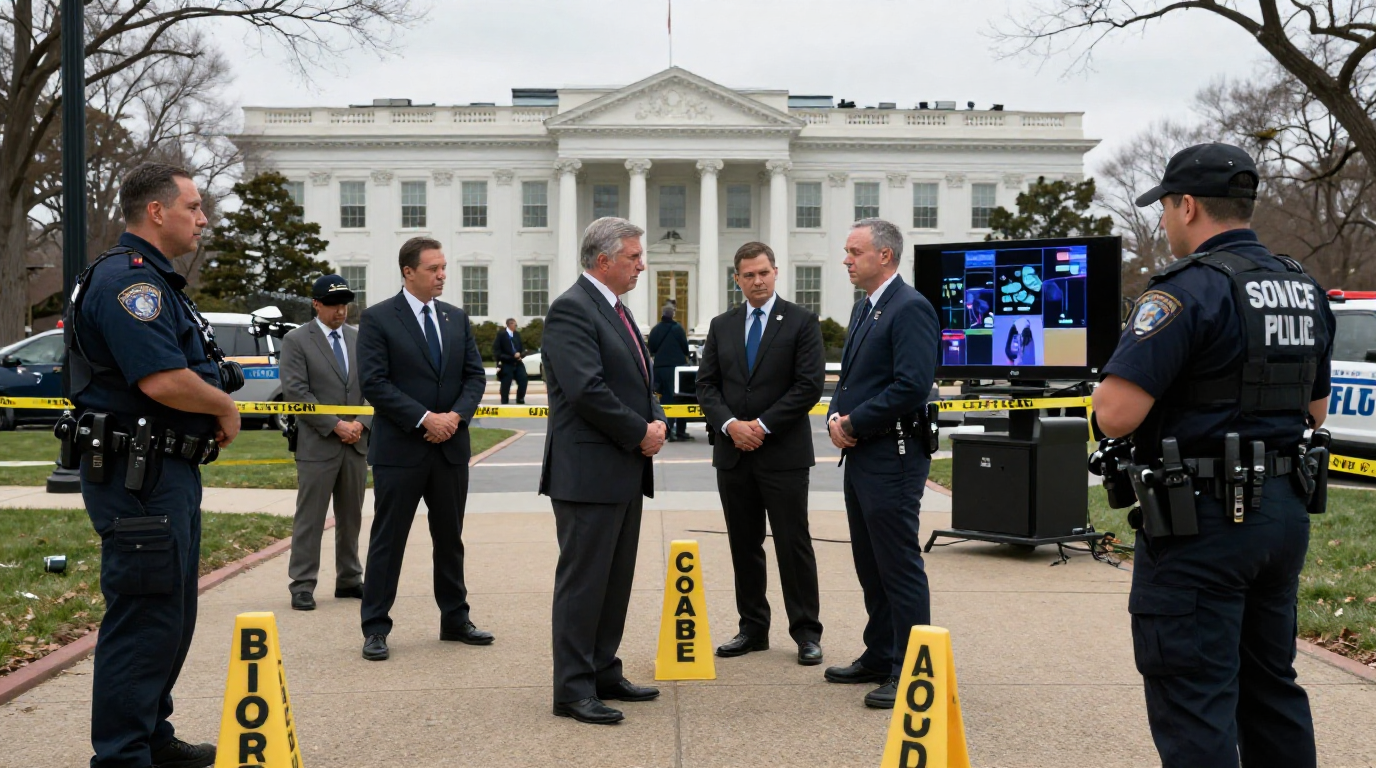
A man carrying a weapon triggered alarms close to a White House screening point, pulling agents into swift motion. Officials in the capital began digging into what went wrong shortly afterward. Officers from the Secret Service moved fast when confronted by the individual nearby. That moment sparked a full hold-down of the presidential compound. Multiple teams – federal alongside city units – rushed in, aligning under shared urgency.
A sudden movement toward the White House edge drew attention when someone neared a guarded post. Without warning, a gun came into play. Shots rang out after law enforcement reacted to the threat. Medical teams rushed the individual away – breathing stopped before arrival.
A person nearby got hurt when it happened. Looking into things now, authorities are checking where the bullet traveled from along with how the harm took place.
Finding answers takes time, yet teams across different departments keep sifting through what was left behind.
Incident Location
A sudden disturbance happened close to where officials screen people outside the presidential compound in the capital. This screening point sits within a secured setup meant to guide who enters official buildings.
Standing guard there, officers keep watch over who comes and goes while ready to act if danger shows up. When everything went wrong, they were already in place doing their job.
Out of nowhere, someone walked up to the checkpoint with a bag in hand. Moving closer to the officers at the entrance, the individual reached inside. From that bag, a gun came out.
Shots were fired during the encounter.
Sequence of Events
Early police documents show what happened, step by step, like this:
A Person Reaches a White House Checkpoint
Forward they stepped, closing in on the officers
A firearm was taken from a bag
Bullets flew in the direction of law enforcement personnel
Officers returned fire
The person was shot
Emergency teams arrived
A hospital visit followed the incident, yet life slipped away. Though care arrived quickly, survival wasn’t possible. Breathing stopped despite efforts nearby. Medical staff tried everything close at hand. The outcome turned out still and quiet
Someone watching got hurt when things went wrong
Right now, the order of events is being checked. Video clips help piece things together, while those who saw what happened share their accounts. Alongside this, objects found at the scene add another layer. Time stamps slowly come into focus through these separate threads.
Immediate Response
When shots rang out, agents began their emergency actions. Additional teams moved in right after.
For a time, the entire White House grounds came under lock. Access in or out slowed to almost nothing.
Inside the White House, staff entered safe zones quickly. Nearby streets shut down without delay.
From the start, law enforcement took positions around the edge to manage who entered while keeping the location safe. Each point along the boundary had someone watching closely, making sure nothing got through without checking first.
Still under restriction, the zone stayed closed off till cleanup finished.
Agencies Involved
Several agencies responded:
United States Secret Service
Federal Bureau Of Investigation
Bureau of Alcohol Tobacco Firearms and Explosives
Metropolitan Police Department
Out front, the Secret Service took charge right away. Following that, the FBI stepped in to handle the federal inquiry. Firearm tracking kicked off under ATF oversight. Holding the edges fell to local officers.
Nature of the Security Breach
A locked gate close to the White House saw someone arrive carrying a weapon, which has drawn immediate attention from authorities. That movement past secured barriers is now being reviewed as a failure in protection protocols. The presence of arms at such access points triggers automatic alerts under current safety rules. Because procedures were bypassed, officials classify this event as a compromise of secure zones.
A weapon appeared after someone reached the gate. Right then, police reacted – shots broke out moments later.
Questions came up after the incident, especially around how well motion was spotted. Response speed at checkpoints became a concern soon afterward. One thing led to another, then gaps in team coordination started showing. Each part of the system seemed off step when it mattered most.
Looking into how the individual got to the checkpoint, while also examining what unfolded just prior to shots being fired. A close look at movements follows each step leading up to that moment. What happened before is now part of the timeline under review. Details about approach paths sit alongside witness reports. The sequence of events draws attention from multiple angles. Past motions feed into present analysis without skipping steps.
Secret Service Response
Inside the fence line, agents watch every angle. Protection duties cover leaders plus key buildings nearby. Officers move through checkpoints without saying much. Their presence keeps grounds secure by routine and alertness.
From the moment the individual advanced on the restricted zone, carrying a weapon, alert personnel at the post detected danger. Firing began after that movement triggered an immediate response. Shots were exchanged without delay.
Right away, the Secret Service locked down the edges of the scene, limiting who could come or go. With that done, agents held their spots as different teams started showing up one after another.
Finding proof got help from the team, while they kicked off early probes at the same time.
White House Security System
Beneath its grand exterior, tight watch unfolds through multiple safeguards. Scattered at key spots, checkpoints stand firm while physical barriers shape safe corridors. Eyes are everywhere – cameras track movement day and night. Zones limit access without notice, each section responding only to verified entry.
Along the outer edge, checkpoints pop up here and there. From those spots, officers keep an eye on who’s moving where – halting anyone without clearance before they go further.
Out by the edge of federal zones, safety steps kick in automatically when someone approaches. Entry spots stay under watch so disruptions get handled fast – without waiting.
Later, people started looking at how checkpoints worked – especially when help arrived. Speed mattered just as much as the checks themselves.
FBI Involvement in the Investigation
FBI agents stepped into the case once things unfolded. When matters touch government assets or workers, that kind of task falls under their responsibility.
Checking clues found at the location, agents go through camera footage along with things picked up nearby. Officer reports join witness comments in the pile they’re sorting through.
A sequence of moments is being pieced together by agents from two federal agencies. What happened just prior to reaching the security zone forms part of that picture. Shots fired during the incident are under close review. Following those bursts, movements and decisions made in real time now get examined. Each detail fits into a broader reconstruction shaped by coordination between teams.
Checking past files now, the FBI looks at who this person is through old police encounters. History around secure zones matters too, especially anything that happened before.
Suspect Information
A young man just turned 21. His name has come up before with police departments.
Earlier run-ins with secure zones have popped up in records. That time, authorities moved in right away.
Looking back at past actions and old files now. The reason behind it remains unknown so far.
Bystander Injury Review
A shot rang out, catching someone standing close to the barrier. That individual took harm while bullets flew between sides.
A single gunshot’s origin remains unverified by authorities. Yet footage and shell analysis sit at the center of review.
A doctor helped the hurt person right away. So far, nothing more has come out about what happened.
Still looking into this piece of the situation. Investigation continues without conclusion yet.